

Nonwoven fabrics are found in many industries for their strength, durability, and lower cost. Common uses span from hygiene products, medical textiles, agricultural films, heavy-duty shopping bags, and more. To ensure good-quality nonwoven production, there is a need for additives, and for this purpose, Non Woven Fabric Masterbatch is used.
Especially formulated to be used with polypropylene (PP) and nonwoven polymers, these BFs help enhance the aesthetic and functional characteristics in fabrics for today’s demanding high-speed manufacturing environments. They find extensive use in spunbond and meltblown applications.
What Is Non Woven Fabric Masterbatch?
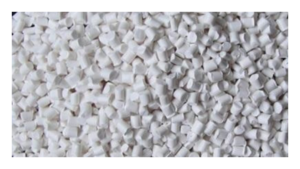
Non Woven Fabric Masterbatch: This is a masterbatch of pigments or functional additives dispersed uniformly in a polymer carrier resin, which is added during the fabrication of nonwoven fabrics to improve the color, processing, and other property efficiency.
These masterbatches are customized in such a way that the dispersion is perfect and a uniform fabric appearance can be obtained by the manufacturer without influencing fiber properties. The formulation can be either in PP Non Woven Masterbatch, Spunbond Masterbatch or Meltblown Masterbatch depending upon the process being used.
An accurate masterbatch solution to create a smooth generation, fabric appearance, and optimised material performance.
Why Non Woven Fabric Masterbatch Is Important
Today, nonwoven manufacturing requires high Productivity, exact color match, and consistent fabric quality. For a manufacturer to achieve all this, it has to use a specialized masterbatch.
Key Benefits Include:
Uniform color distribution
Improved process stability
Enhanced fabric appearance
Excellent dispersion of pigments
Increased production efficiency
Better product consistency
Reduced material waste
These benefits add to the importance of nonwoven masterbatch in the whole textile manufacturing industry.
Key Features of Non Woven Fabric Masterbatch
The characteristics of the high-quality Non Woven Fabric Masterbatch offered by us are as follows:
Excellent Color Uniformity
The masterbatch provides a uniform distribution of the color pigment in the polymer, giving the fabric a homogeneous and bright color.
Superior Processing Performance
Developed optimized formulations to assist continuous production by machine during Spunbond Technology and Meltblown Process, effectively reducing downtime.
High Polymer Compatibility
Masterbatches, specifically developed for polypropylene, are fully compatible to the PP resin, with high fiber quality.
Improved Fabric Quality
The masterbatch also improves the total fabric appearance by minimizing the appearance of color unevenness and ensuring an even distribution of fiber in the final product.
Non Woven Masterbatch for Hygiene Products
One of the major applications is Non Woven Masterbatch for Hygiene Products, where quality, washability, softness, and appearance play the key role.
Typical Applications Include:
Baby diapers
Sanitary napkins
Adult incontinence products
Medical gowns
Surgical masks
Wet wipes
Disposable protective clothing
Specialized PP Non Woven Masterbatch used by processing gets fabric of very high quality control as well as safety.
Industries That Use Non Woven Fabric Masterbatch
The market demand for nonwoven fabrics is increasing for various purposes in industrial applications.
Hygiene Industry
The disposable hygiene products demand quality nonwoven material having uniform color and good fabric consistency.
Medical Sector
Hospitals and doctors' surgeries make good use of nonwoven fabrics in their protective apparel, surgical items, and disposables.
Agriculture
Coverings can be used on the ground, on crops or greenhouses. Cotton, jute, co-polyester and co-polyamide coverings are used for: crop protection, weed control, greenhouse cover and soil management.
Packaging Industry
Nonwoven fabrics are being employed more and more for reusable shopping bags, industry packaging, and protective packaging.
Home Furnishing
End uses include mattress components, furniture linings, filter media, and upholstery products. Nonwoven fabrics are used to enhance durability in these applications.
Advantages of Choosing Premium Non Woven Fabric Masterbatch
Having a reliable vendor selection can be very beneficial for production and quality.
Key Benefits Include:
Consistent batch quality
Excellent pigment dispersion
High processing efficiency
Customized color development
Technical application support
Reliable product performance
Cost-effective manufacturing
These benefits enable the manufacturer to enhance production repeatability and quality standards.
Factors to Consider When Selecting Non-Woven Fabric Masterbatch
The selection of the correct masterbatch depends on the following production requirements.
Production Process
All Manufacturers should choose formulations made for Spunbond Technology and/or Meltblown Process for good processing performance.
Polymer Compatibility
Polypropylene and other specified polymer systems should be compatible with the masterbatch for fiber formation.
Color Requirements
High-class formulations should produce good color match and consistency in large batches of production.
End-Use Application
Differing industry needs to have different performance profiles so custom formulations are also an important issue.
Future Trends in Nonwoven Manufacturing
The nonwoven worldwide industry is still developing, as the demand for new technological and functional nonwovens is flourishing and sustainable production is progressively implemented.
Emerging Trends Include:
Lightweight high-performance fabrics
Sustainable nonwoven solutions
Improved fabric uniformity
Enhanced polymer processing technologies
Increased automation
Advanced hygiene product manufacturing
As manufacturing technology advances, new types of masterbatch will always be an important part of improved quality, efficiency, and product characteristics.
Conclusion
Non Woven Fabric Masterbatch has not only contributed to the advancement of modern nonwoven manufacturing, but also offered the fabric manufacturers enhanced color quality, processing stability, and fabric properties. PP Non Woven Masterbatch, Spunbond Masterbatch or Meltblown Masterbatch[1]-each of the personalized grades makes the fabric suitable for the intended hygiene, medical, agricultural or industrial applications.
Through the use of masterbatch solutions that deliver the highest quality, we can cater to fabric uniformity as well as PP Fibers and Spunbond Technology to ensure it produces the best possible product with the very best out to the industry.
At Blend Group
Blend Group is a pioneer in polymer innovation, producing best-in-class masterbatches that enable manufacturers to build stronger, smarter, and more sustainable plastic products. We offer specialized masterbatches for improved colour accuracy, processing efficiency, durability, UV stability, flame retardancy, and more to enhance your product’s performance, and with a focus on quality and precision in all our products, Blend Group utilizes innovative manufacturing facilities, stringent quality control procedures, and a drive for innovation to provide high-performance polymer solutions for its global customers.
Frequently Asked Questions
What Is Non Woven Fabric Masterbatch?
Non Woven Fabric Masterbatch is a concentrated mixture of pigments or functional additives dispersed in a polymer carrier resin. It is added during nonwoven fabric manufacturing to improve color, processing efficiency, fabric appearance, and overall product performance.
What Are the Main Applications of Non Woven Fabric Masterbatch?
Non Woven Fabric Masterbatch is widely used in hygiene products, medical textiles, agricultural fabrics, packaging materials, protective clothing, shopping bags, and other nonwoven applications requiring improved quality and performance.
Why Is PP Non Woven Masterbatch Used in Nonwoven Manufacturing?
PP Non Woven Masterbatch is specially designed for polypropylene-based nonwoven production. It provides excellent pigment dispersion, uniform color distribution, better processing stability, and improved fabric quality during manufacturing.
What Is the Difference Between Spunbond Masterbatch and Meltblown Masterbatch?
Spunbond Masterbatch is used in spunbond fabric production to improve color and processing performance, while Meltblown Masterbatch is formulated for meltblown processes where fine fiber formation, consistency, and quality are important.
How Does Non Woven Fabric Masterbatch Improve Fabric Quality?
Non Woven Fabric Masterbatch enhances fabric quality by ensuring uniform color distribution, reducing defects, improving fiber appearance, and maintaining consistent performance during high-speed production processes.
How to Choose the Right Non Woven Fabric Masterbatch?
The right masterbatch should be selected based on polymer compatibility, production process, color requirements, end-use application, and desired performance properties to achieve the best manufacturing results.